
Winter Care for Your Vinyl Fence: Tips to Prevent Damage
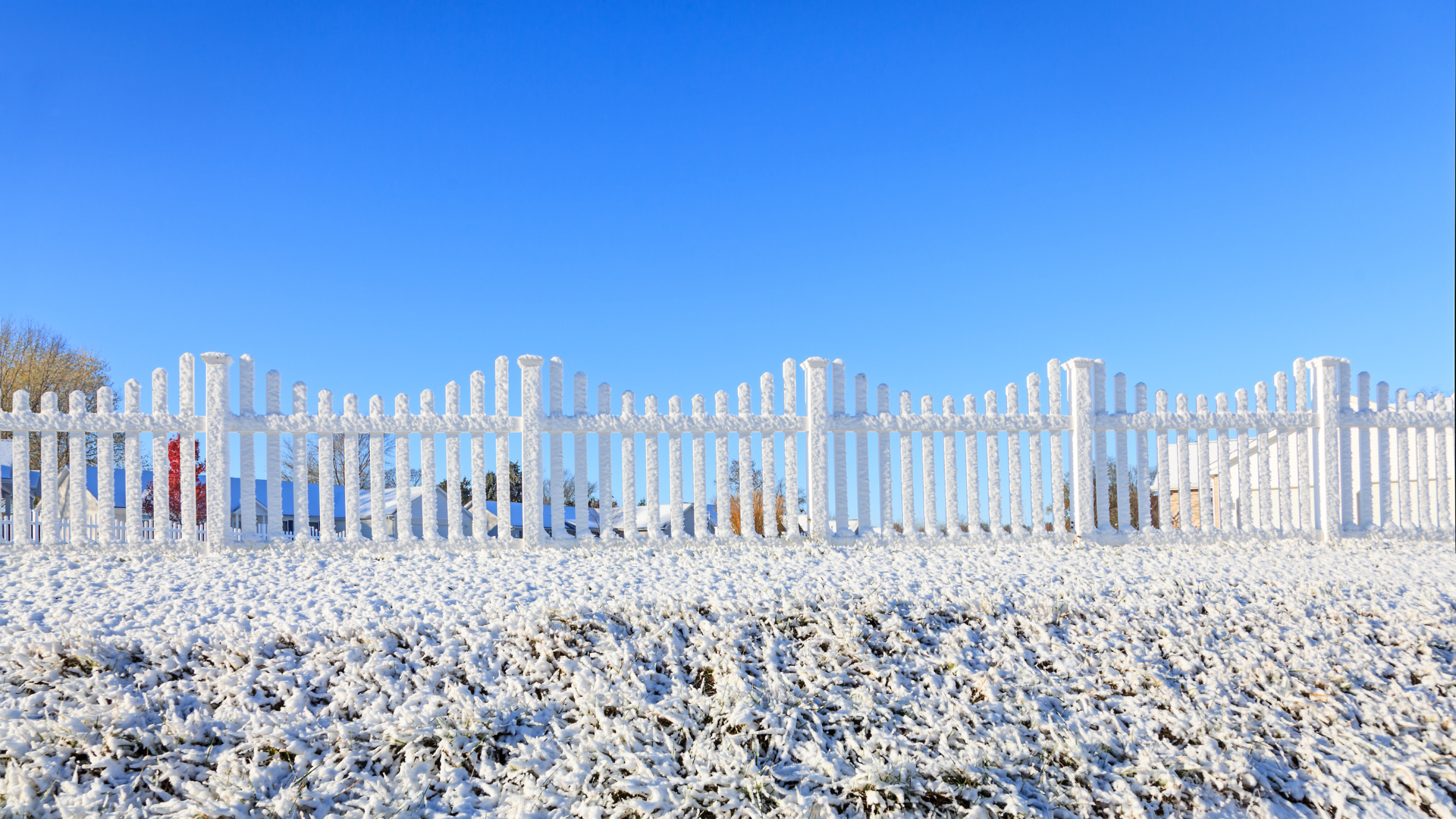
When the cold weather rolls in, homeowners often shift focus toward protecting their homes, vehicles, and gardens. However, one critical aspect often overlooked is the vinyl fence. While vinyl fencing is known for being durable, weather-resistant, and low-maintenance, harsh winter conditions can still pose challenges if the fence isn’t properly cared for.
This article outlines essential tips for maintaining your vinyl fence during winter, helping you avoid costly repairs and extend its lifespan.
Why Winter Can Be Tough on Your Vinyl Fence
Although vinyl is a resilient material that resists rot, pests, and moisture better than wood, winter brings unique threats:
- Freezing temperatures can make vinyl brittle and more prone to cracking.
- Heavy snow accumulation may stress fence panels or posts.
- Ice formation can cause surface damage or hidden structural issues.
- Strong winds often accompany winter storms and can push weak or improperly anchored fences.
Being proactive about winter care will ensure your vinyl fence remains strong and attractive all year long.
1. Inspect Your Fence Before Winter Arrives
One of the best things you can do is inspect your vinyl fence thoroughly in the fall. Look for:
- Cracks or brittle spots in the panels
- Loose or leaning posts
- Any debris or plants growing too close
Addressing minor issues now will prevent them from becoming major problems when the temperature drops. Tighten screws, secure posts, and replace damaged panels before snow and ice arrive.
2. Keep It Clean
Dirt, leaves, and mildew buildup can trap moisture and weaken the integrity of your fence over time. Clean your vinyl fence using a garden hose, soft brush, and mild soap. Avoid pressure washers, as the force could cause micro-cracks during cold months. A clean fence is less likely to suffer from hidden mold or grime damage over the winter.
3. Remove Snow Gently
After a heavy snowfall, it may be tempting to shovel or brush snow off your fence. While this helps relieve pressure, it’s important to do it carefully. Use a soft-bristled broom or plastic shovel to clear snow from the fence. Never use metal tools, as they can scratch or crack the vinyl surface—especially when the material is cold and more brittle.
Also, don’t let snow pile up against your fence for too long. As snow melts and refreezes, it creates pressure and potential structural damage.
4. Trim Nearby Trees and Shrubs
Overhanging branches can break under the weight of ice and snow, potentially crashing down on your vinyl fence. Trim back trees and shrubs during fall to reduce this risk. Even small branches whipped by winter winds can scratch or damage the surface. Keeping the area around your fence clear also helps improve airflow and minimize moisture retention.
5. Avoid Hanging Decorations or Lights
While it might seem festive to hang lights or wreaths on your vinyl fence, the extra weight can cause issues—especially in freezing conditions. Vinyl can become more fragile in cold weather, and even small objects can create stress points. If you must decorate, use very lightweight, temporary options and avoid attaching anything that requires nails or screws.
6. Ensure Proper Drainage
Standing water near the base of your fence can freeze and expand, damaging the posts or weakening the foundation. Make sure your yard is properly graded and that water flows away from your fence. If necessary, improve drainage with gravel or a French drain system.
7. Check Gate Hardware
Gates are high-traffic areas and especially vulnerable during winter. Make sure hinges, latches, and locks are lubricated and functioning properly. Cold weather can cause metal components to contract, so keep an eye out for sticking or misalignment. Lubricate moving parts with silicone-based spray to ensure smooth operation throughout the season.
8. Avoid Salting Near the Fence
While rock salt and other de-icing products are great for driveways, they can harm your vinyl fence. Chemicals in the salt can corrode or discolor the vinyl over time. Instead, use sand or pet-safe deicers around areas close to the fence.
9. Monitor Throughout the Season
Winter storms can come with high winds, fallen branches, and deep snow. After each storm, take a quick walk along your fence to check for signs of damage. Catching issues early can prevent a small crack or tilt from becoming a major repair project.
Final Thoughts
Your vinyl fence is a long-term investment in the beauty and security of your property. By taking a few preventive steps before and during the winter season, you can protect it from unnecessary damage and ensure it continues to perform well for years to come.
Winter doesn’t have to be the enemy of your fence. With regular inspections, proper cleaning, gentle snow removal, and smart landscaping, your vinyl fence can remain as beautiful and strong in spring as it was in fall.
Remember, a little care now can save a lot of trouble later.